



Every division has work people should not have to repeat. Put agents inside your operations.
Product endorsement, automated.
Affiliate-ready creator posts for your product, produced at a high post-production standard without a traditional production cycle.
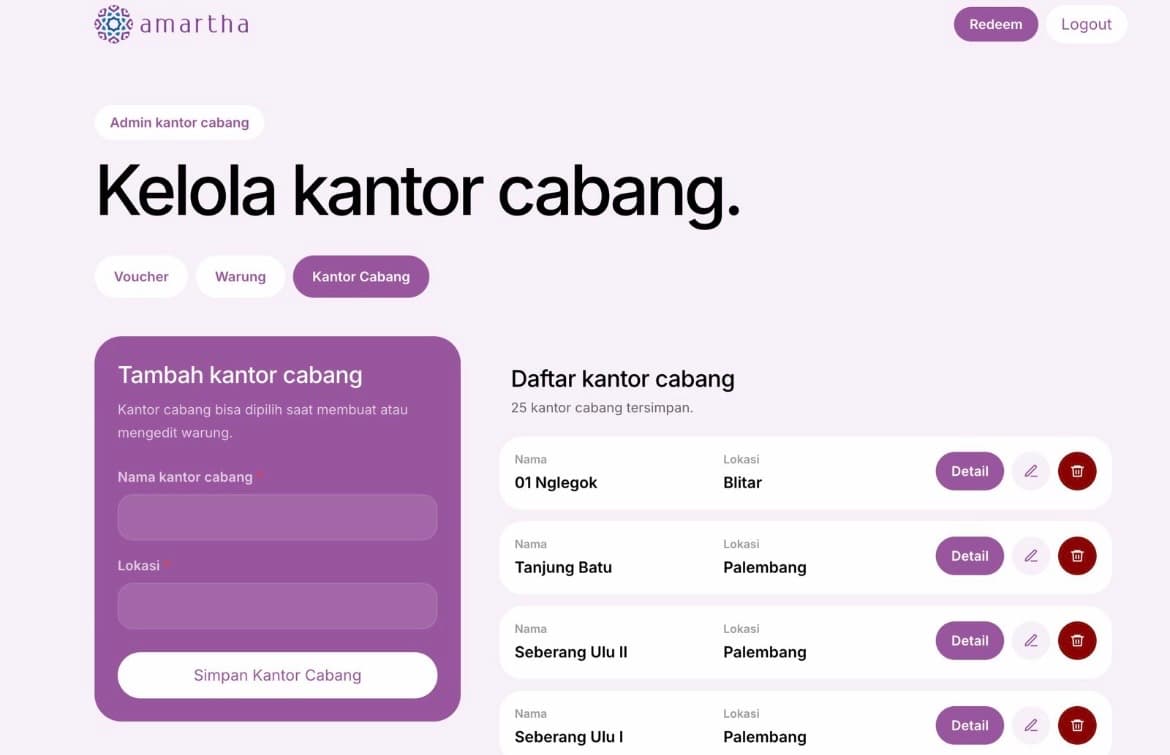
From WhatsApp to one system.
Digitalise local voucher transactions from issuance to redemption, tracking, and reconciliation — seamless from end to end.
Women’s product sales.
A female AI creator demonstrates and endorses your product in native short-form content, built for discovery and conversion.
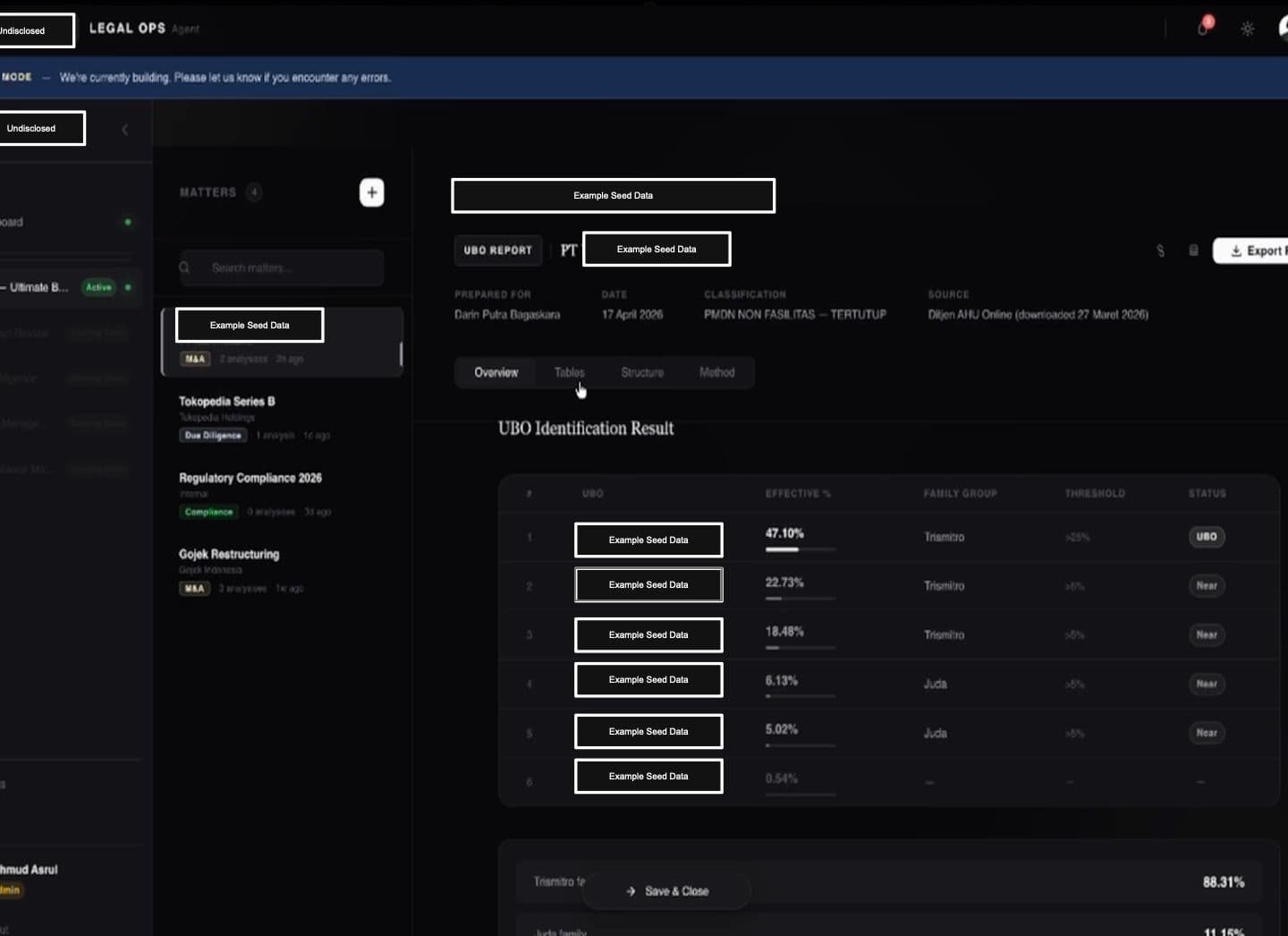
Source data to UBO report.
The agent gathers the supplied data, traces ownership, flags gaps, and prepares an Ultimate Beneficial Owner report for legal review — in one flow.

Campaign creative in under one minute.
From one request to a brand-guided campaign design in under one minute. A traditional agency can take three days or more for the first asset.
Every division has an execution layer.
Requests, research, data entry, reporting, follow-ups, document checks, and system updates. Important work. Repetitive steps.
Agents do the repetition. Humans own the judgment.
We automate the predictable path and place approvals wherever context, risk, or a human relationship matters.
Automation is infrastructure. Not a demo.
A useful agent runs inside the tools your team already uses, follows clear guardrails, and keeps working after the presentation ends.
Automation grows in three phases. The difference is who decides what happens next.
Every phase has value. But collecting data is not the same as automating a workflow, and a fixed workflow is not the same as an agent that can reason, act, and escalate.
The agent chooses how to move. Humans govern what matters.
Your enterprise sets the goal, guardrails, and approval points. We build the agent, connect the tools, and make the workflow run.
You set the goal. We map the workflow. Your agents run the repetitive layer.
We sit with one division and map the work as it actually happens — triggers, inputs, rules, approvals, exceptions, systems, and the outcome your team is responsible for.
Where the work gets stuck.
Requests, spreadsheets, and status updates are scattered across people and tools.
Approve exceptions and operational trade-offs.
Faster turnaround. Fewer handoff gaps.
MANUAL → AGENT-RUNWe build the agent around your real tools and rules. It reads, writes, routes, updates, and escalates — with logs, permissions, and human checkpoints built in.
Built inside the stack your team already uses.
Different work. One agentic layer.
The agent reads the request, chooses the tools, moves the workflow, and brings people in when judgment matters.
Decides what to do next.
People keep the calls that carry judgment or consequence.
Different work. Same principle: the agent handles the movement; people keep the meaning.
AI should not replace the people who carry judgment. It should remove the work that keeps them from using it.
You already have people who understand the customer, the operation, the risk, and the standard. Too much of their day is spent copying data, checking documents, chasing updates, and moving work between systems.
We believe in human-in-the-loop automation by design.
The agent handles volume, repetition, and system work. It prepares the answer, completes the predictable steps, and surfaces the exception.
Your people handle ambiguity, accountability, relationships, and the moments where context changes the right decision. The goal is not fewer humans. It is more human time spent on work that deserves a human.
You set the goal. You define the guardrails. You keep the final say.
We don't sell a generic chatbot. We learn the workflow, build the agent around it, and keep humans at every critical decision point.
Reporting, data entry, scheduling, handoffs, and exception routing
Lead research, CRM updates, follow-ups, proposals, and campaign operations
Invoice matching, reconciliation prep, expense review, and reminders
Document intake, contract triage, risk flags, checklists, and audit prep
Candidate screening, onboarding, policy Q&A, and employee requests
Ticket classification, answer drafting, routing, summaries, and escalation


